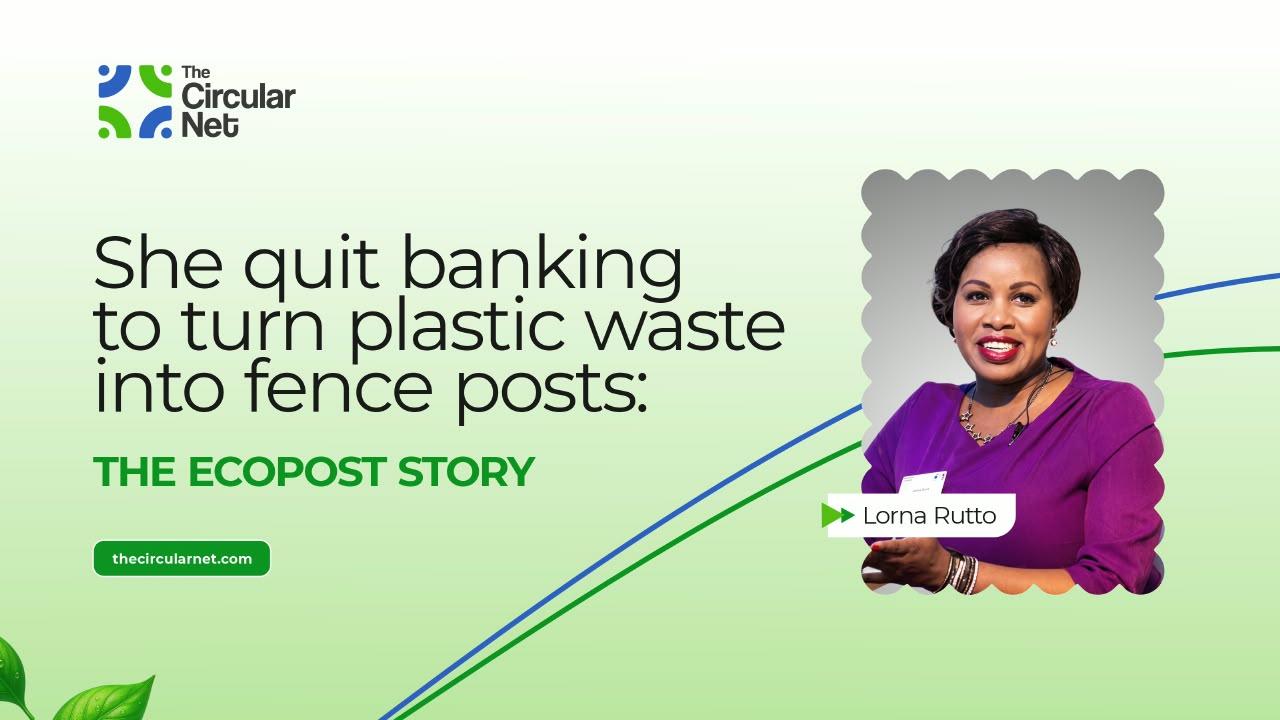
In 2009, Lorna Rutto left her banking career to start EcoPost in Nairobi.
At the time, plastic waste was clogging the city's drains, while trees were being cut down for timber fencing.
She saw an opportunity in both problems.
EcoPost began buying plastic waste from young people and women who collect and sort it, then transforming the waste into durable plastic lumber for fence posts, signposts and other applications.
One of its early projects used recycled plastic posts to fence part of Kenya's Aberdare forest, replacing timber with a product made from waste.
And the business case followed.
In its early years, EcoPost sold more than 20,000 posts, generating over $120,000 in revenue while covering its costs without debt.
Today, the company reports:
- 13 million kg of plastic recycled
- 4,300 acres of forest saved
- 102 direct jobs created
- 10,000+ income opportunities for waste pickers
The Lesson
The lesson goes beyond recycling. EcoPost created a market where waste had value.
- Plastic became a raw material.
- Waste collection became an income opportunity.
- And an environmental problem became a business opportunity.
What waste in your city could become someone's raw material?